


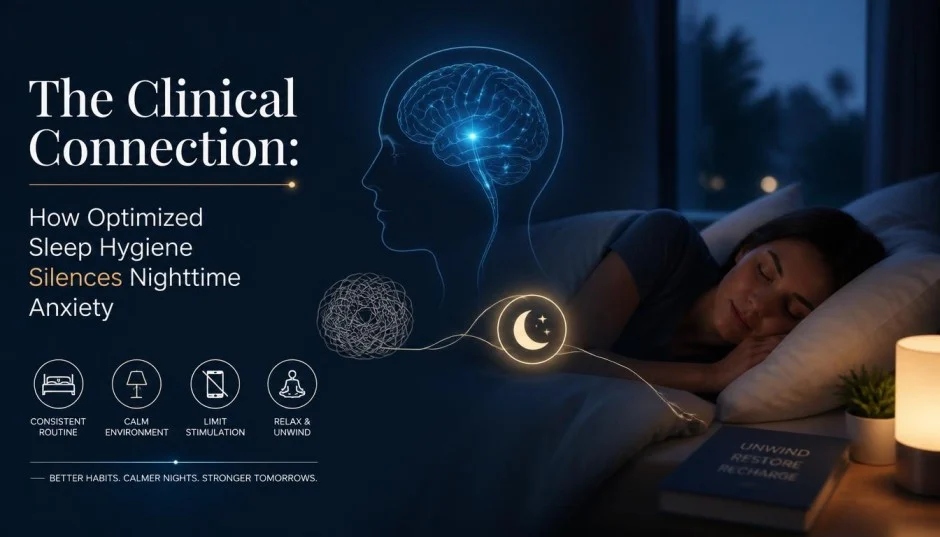
I spent three years waking up at 3 AM with my heart pounding. No alarm. No noise. Just a mind that refused to shut off. My doctor asked about sleep hygiene and mental health. I had no idea what that meant.
I thought hygiene meant brushing my teeth. Turns out, sleep hygiene is different. It is the set of habits that tell your brain it is safe to rest.
After trying five sleep trackers, two prescriptions, and one very expensive mattress, I learned something simple. You cannot out-supplement a bad routine. Here is what actually works.
The 3 AM Spiral: What Nighttime Anxiety Feels Like
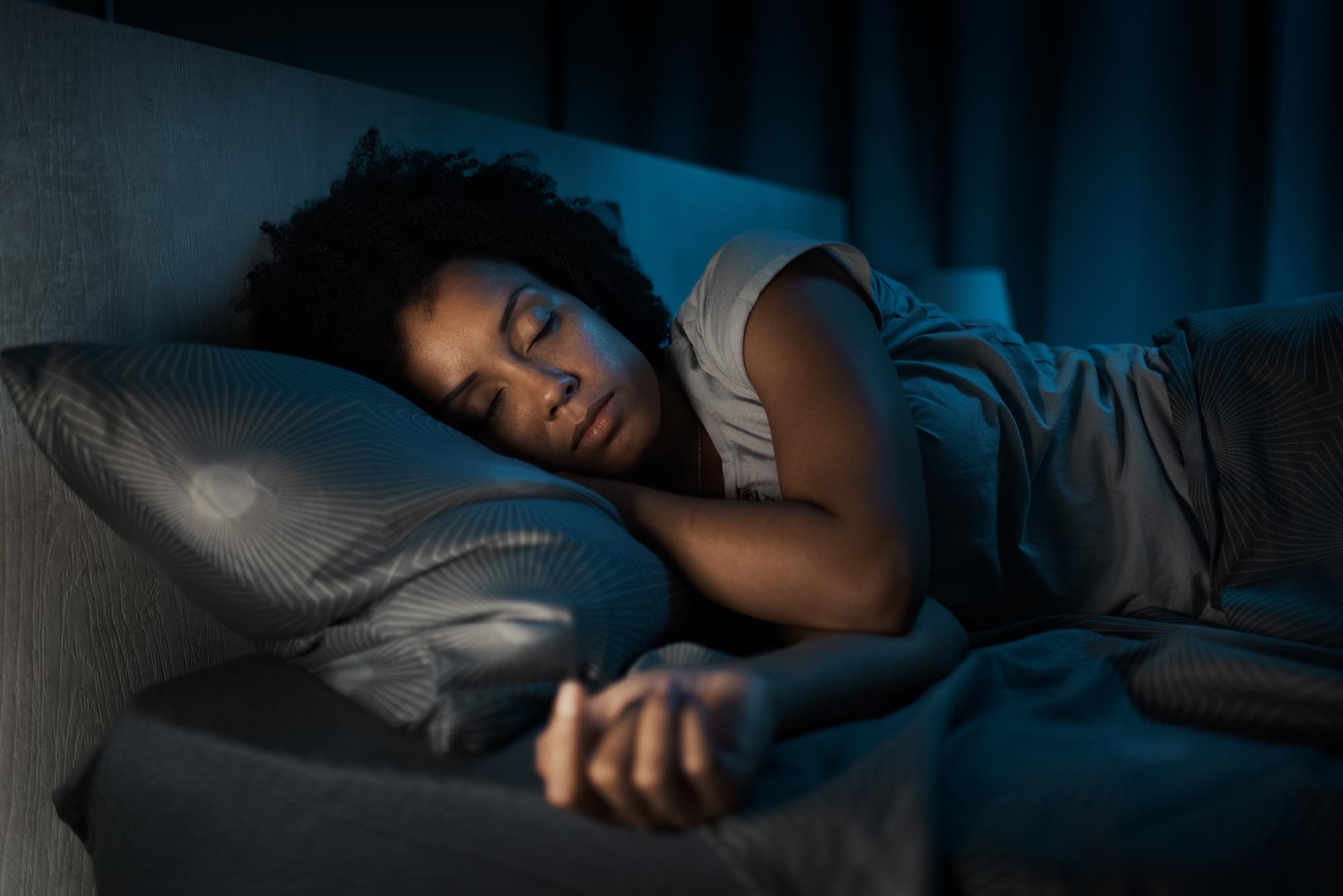
Let me describe the exact moment.
You are half asleep. Then awake. Fully awake. Your brain starts running.
Read Also: The 2026 Continuous Care Model: Why Your 50-Minute Therapy Session Isnt Enough?
Did I send that email? Why did my boss say that? What if I lose my job? What if my mom gets sick?
One thought leads to another. Ten minutes later, you are planning your own funeral.
That is mind racing can t sleep anxiety. I know it well.
Your body feels tired. Your eyes burn. But your brain is in a meeting with no agenda.
This is not insomnia. Insomnia is not being able to fall asleep. This is different. You fall asleep fine. Then you wake up. And you cannot go back.
Sleep Hygiene and Mental Health: Why Your Night Routine Matters?
Here is what I learned from my therapist.
Sleep hygiene and mental health are connected like a thermostat and a room. When one is off, the other suffers.
Your brain processes emotions during sleep. Specifically during REM sleep. That is when it files away memories. Sorts through feelings. Decides what matters.
If you do not get quality sleep, your brain cannot process. So the anxiety stays. It builds up. Day after day.
The National Sleep Foundation says adults need 7-9 hours. But quality matters more than quantity.
Here is the problem. Anxiety blocks quality sleep. Poor sleep worsens anxiety. It is a loop. A nasty one.
Breaking the loop requires changing your sleep hygiene.
Why Is Sleep Hygiene Important for Mental Health? The Science
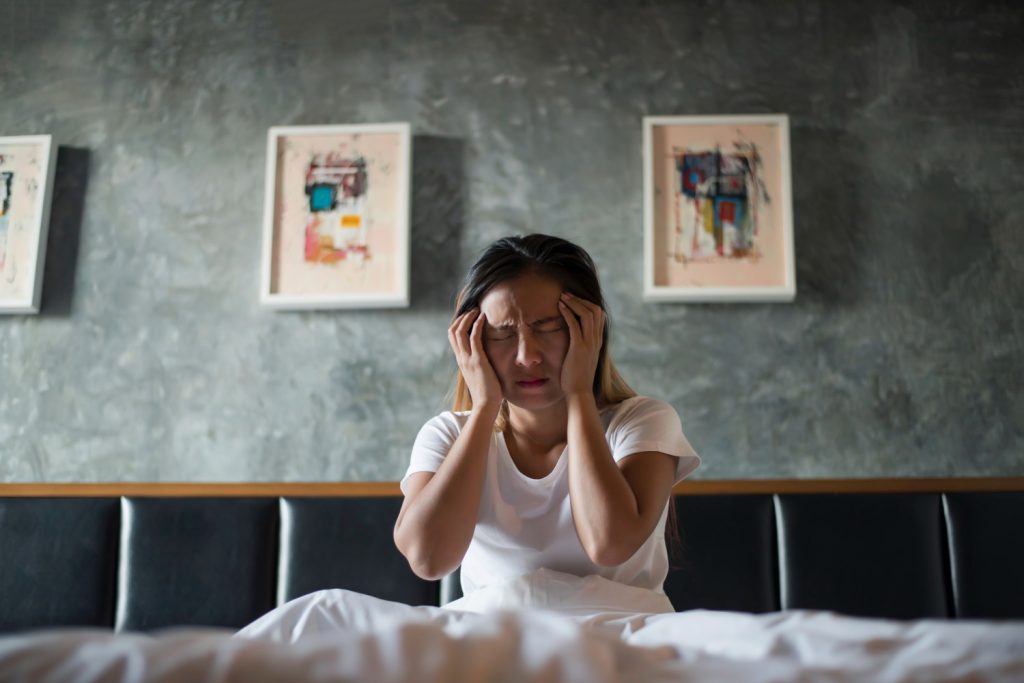
Let me give you the short version.
Your brain has a cleaning system. It is called the glymphatic system . During deep sleep, it washes away waste products. One of those waste products is cortisol. The stress hormone.
No deep sleep means cortisol stays high. High cortisol means you wake up anxious. You stay anxious. You feel on edge all day .
The American Psychological Association confirms this. Poor sleep lowers your emotional resilience . You cannot handle small problems. Everything feels like a crisis.
That is why is sleep hygiene important for mental health. Because sleep cleans your brain. Without cleaning, the stress piles up.
How I Cured My Sleep Anxiety: The Real Story
People ask me how I cured my sleep anxiety. I did not cure it. I managed it. There is a difference.
Here is what I tried that failed:
-
Melatonin (gave me nightmares)
-
CBD gummies (too expensive, inconsistent)
-
White noise machine (annoyed my partner)
-
Sleeping pills (felt hungover all day)
Here is what worked.
1. I stopped trying to force sleep
The biggest shift was accepting that I cannot control sleep. You know what I can control? Lying still with my eyes closed. That is rest. Even if I do not sleep, rest helps.
My therapist called this "stimulus control therapy". If you are not asleep after 20 minutes, get out of bed. Do something boring. Then try again .
I read a paperback book. No phone. No bright light.
2. I moved my phone out of the bedroom
This was hard. I used my phone as an alarm. I bought a $10 alarm clock. Now my phone charges in the kitchen.
The blue light from screens suppresses melatonin. That is a fact. But the real problem is the content. One angry email at 10 PM ruins your whole night.
3. I built a 30-minute wind-down
No screens. No work talk. No arguments with my partner.
I take a hot shower. The drop in body temperature after a shower signals sleep . Then I read fiction. Nothing stressful. Nothing about work.
I do this every night. Same time. Same order.
4. I wrote down the racing thoughts
When mind racing can t sleep anxiety hits, I keep a notebook next to my bed.
I write down whatever is bothering me. Then I tell myself: "I will deal with this tomorrow."
It sounds silly. But it works. Putting thoughts on paper gets them out of your head.
How to Sleep With Anxiety Attack: The Emergency Protocol
Let me give you the exact steps I use during a real attack.
You Must Also Like: Workplace Mental Health Programs That Actually Improve Productivity
You wake up. Heart racing. Sweating. You feel like you are dying.
Do this. In this order.
Step 1: Get out of bed
Do not lie there fighting it. Stand up. Walk to another room.
Step 2: Splash cold water on your face
This triggers the dive reflex. It slows your heart rate .
Step 3: Do box breathing
Inhale for 4 seconds. Hold for 4 seconds. Exhale for 4 seconds. Hold for 4 seconds. Repeat five times.
Step 4: Drink cold water
Dehydration makes anxiety worse.
Step 5: Go back to bed only when calm
If you return while still panicking, your brain associates bed with fear.
This is how to sleep with anxiety attack. Not fun. But effective.
How to Calm Anxiety at Night Naturally? 7 Things That Actually Work
I tried everything. Here is what survived the cut.
1. Weighted blanket
The pressure mimics a hug. It releases serotonin. I use a 15-pound blanket. Not for everyone. But worth trying.
2. Magnesium glycinate
Not magnesium citrate. That one hits your stomach. Glycinate is for sleep. I take 200mg one hour before bed.
3. No alcohol
Alcohol helps you fall asleep. Then it ruins your deep sleep. You wake up at 3 AM. Every time.
4. Dark room
Complete darkness. Tape over LED lights. Blackout curtains. Your brain needs darkness to make melatonin.
5. Cool room
65-68 degrees Fahrenheit is the sweet spot . Your body temperature drops during sleep. A cool room helps that process.
6. Same wake time every day
Even weekends. Even when you are tired. A consistent wake time anchors your circadian rhythm.
7. Morning sunlight
Get outside within 30 minutes of waking. Sunlight tells your brain it is daytime. That sets your internal clock.
These are all how to calm anxiety at night naturally methods. No prescriptions. No expensive gadgets.
What Did Not Work For Me (Save Your Money)?
Let me save you some cash.
Expensive sleep trackers
They made me obsessive. I woke up and checked my "score". That is not restful.
Blue light blocking glasses
They look silly. And you can just put your phone away instead.
ASMR
Some people love it. It made my skin crawl.
Herbal teas
Warm liquid is nice. But it is not a cure. Do not expect magic.
Acupressure mats
I tried one. It hurt. I returned it.
The Honest Pros and Cons of Sleep Hygiene
Let me be straight with you.
Pros
-
Free or very cheap
-
No side effects (unlike medication)
-
Works for most people if done consistently
-
Improves overall health, not just sleep
Cons
-
Takes weeks to see results
-
Requires discipline every single night
-
Does not work for severe clinical insomnia
-
Some conditions (like sleep apnea) need medical treatment
Sleep hygiene is not a magic bullet. If you have undiagnosed sleep apnea or a thyroid problem, no routine will fix that.
See a doctor first. Rule out medical issues. Then try sleep hygiene.
Who Is Sleep Hygiene For? (And Who Is It Not For)
It IS for:
-
People with mild to moderate sleep anxiety
-
Anyone who wakes up with racing thoughts
-
People who want to reduce or stop medication
-
Those who have tried nothing and are ready to try something
It is NOT for:
-
People with untreated sleep apnea (get a CPAP machine first)
-
Those with bipolar disorder (sleep changes can trigger episodes)
-
Anyone with severe PTSD nightmares (see a trauma specialist)
-
People expecting overnight results
My Nightly Routine (Copy This If You Want)
Here is exactly what I do. Every night. No exceptions.
8:30 PM: Stop eating. Digestion interferes with sleep.
9:00 PM: Put phone in kitchen. Turn off TV.
9:15 PM: Hot shower. No music. No podcast. Just quiet.
9:30 PM: Make room dark. Turn on a small red night light (red light does not suppress melatonin).
9:35 PM: Read fiction on my Kindle (no backlight). Or a real paperback book.
10:00 PM: Lights out.
6:30 AM: Wake up. Same time every day. Go outside within 10 minutes.
This took me two years to perfect. Start small. Pick one thing. Add another next week.
The 3 AM Rescue Script
When you wake up at 3 AM with your mind racing, say this to yourself:
"I am safe. My body is resting. Thoughts are not emergencies. I will handle this in the morning."
Then do the cold water and box breathing from earlier.
Do not check your phone. Do not turn on the TV. Do not eat a snack.
Just breathe. Rest. Wait.
The panic will pass. It always does. I promise.
Final Take: Can Sleep Hygiene Really Stop Nighttime Anxiety?
Yes. But slowly.
Do not expect your first good night in years to happen tonight.
Expect small wins. You sleep 10 minutes longer. You wake up only twice instead of five times. You fall back asleep faster.
Those small wins add up.
Three months from now, you will look back and realize you are sleeping through the night. Not every night. But most nights.
That is success.
I still have bad nights. Everyone does. But I have tools now. I know how to calm anxiety at night naturally. I do not panic when I wake up at 3 AM. I just follow the script.
You can too.